Saturday to Thursday9AM - 6PM
Opposite the Main Entrance of the Emergency Hospital, Shahr-e Naw, Kabul, Afghanistan.
Orthodontics is the branch of dentistry concerned with correcting the position of teeth and improving the relationship between the upper and lower teeth and jaws.
Teeth can become crowded, rotated, spaced apart, or positioned incorrectly for a variety of reasons. Some patients may also have bite problems, including certain forms of overbite, underbite, or other malocclusions.
Fixed braces use brackets and orthodontic wires to apply controlled forces to the teeth. Over time, these forces guide the teeth toward their planned positions.
Orthodontic treatment is not simply about creating a straighter smile. Appropriate treatment may also improve the relationship between the teeth, contribute to better oral function, and make some areas easier to maintain.
The British Orthodontic Society recognizes fixed appliances as an established method of orthodontic treatment for moving teeth and correcting dental problems.
A Straighter, Healthier Smile | Carefully planned tooth movement for better alignment and function.
Teeth braces may be recommended for:
The appropriate appliance and treatment approach depend on the patient’s age, dental development, type of malocclusion, amount of tooth movement required, and overall oral health.
Treatment begins with a comprehensive orthodontic assessment. The dentist or orthodontist evaluates tooth position, bite, jaw relationships, and dental development.
Depending on the case, photographs, X-rays, digital scans, measurements, and other orthodontic records may be collected.
For fixed braces, brackets are attached to the teeth and connected using orthodontic wires. Controlled forces are gradually adjusted to guide the teeth toward their planned positions.
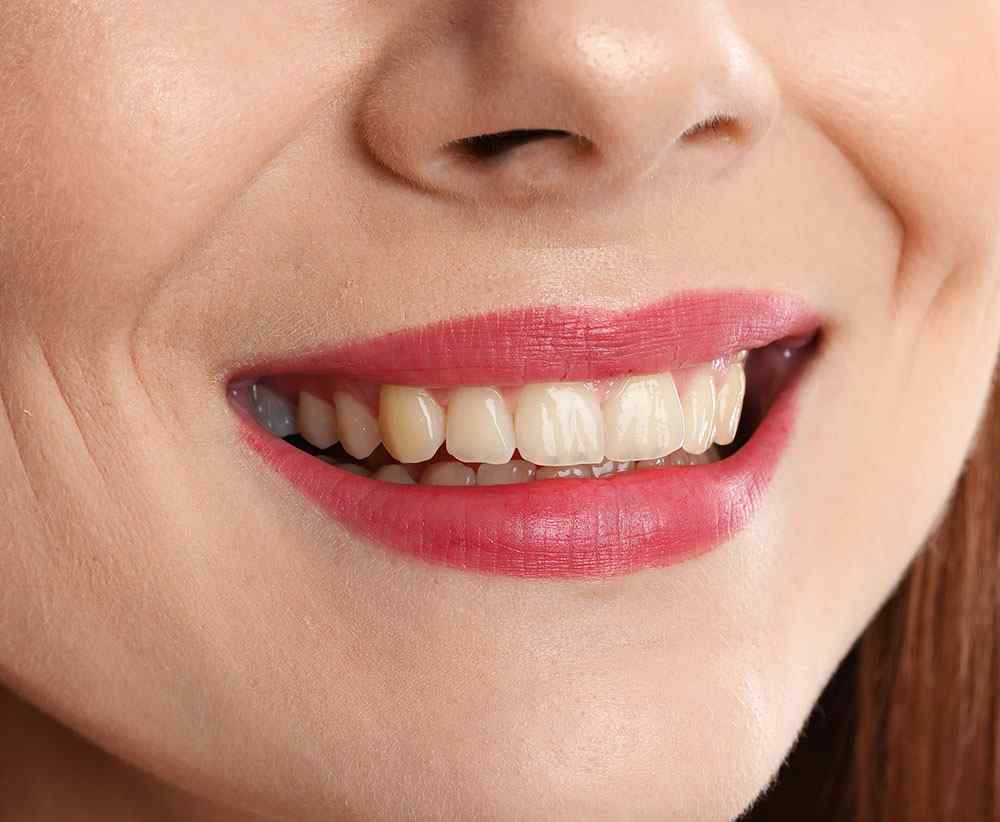
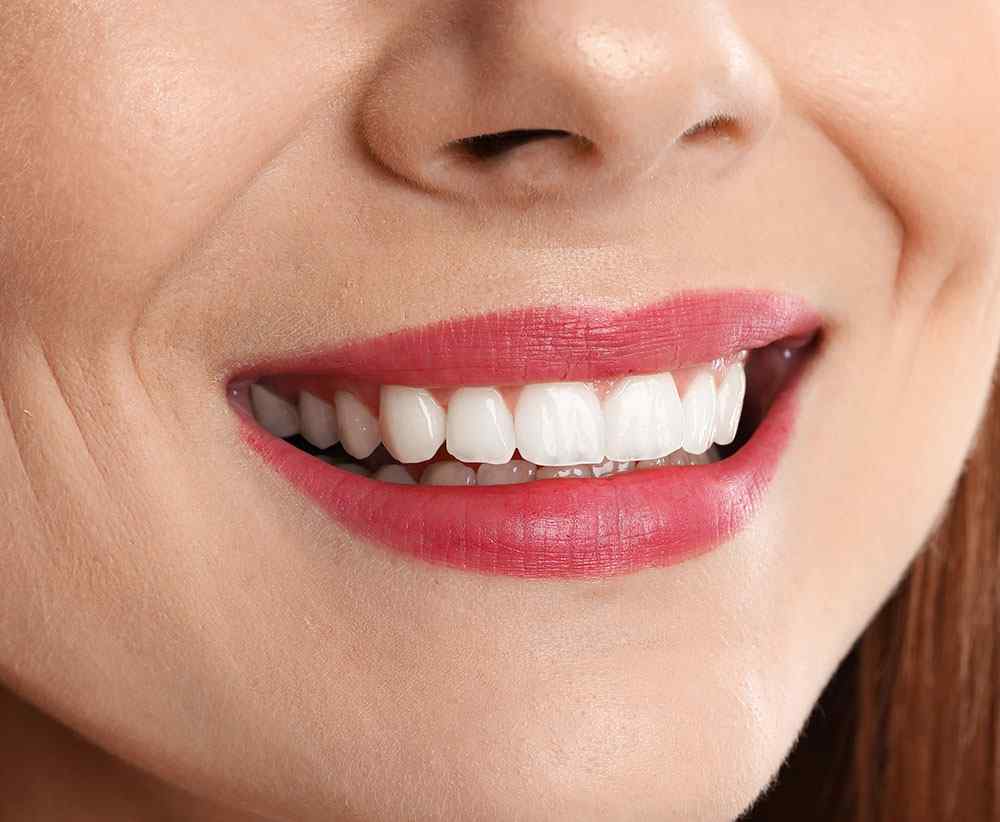
Regular appointments are required to monitor progress and make appropriate adjustments throughout treatment.
After active orthodontic treatment is completed, retainers are normally required to help maintain the corrected position of the teeth. Retention is an essential part of orthodontic care because teeth can naturally move after treatment.
Good oral hygiene is also particularly important during treatment because brackets and wires can make plaque removal more difficult.
Patients seeking orthodontic treatment in Kabul can benefit from an assessment that considers both their dental alignment and overall bite.
Book an appointment to assess your teeth alignment, bite, and the most suitable braces treatment for your smile.

Sana Dental Clinic in Kabul offers advanced dental services, including dental implants, CBCT 3D imaging, CAD/CAM technology, clear aligners, cosmetic dentistry, and modern digital dentistry for healthy and beautiful smiles.
© 2026 Sana Dental Clinic. All Rights Reserved.