Saturday to Thursday9AM - 6PM
Opposite the Main Entrance of the Emergency Hospital, Shahr-e Naw, Kabul, Afghanistan.
Oral and Maxillofacial Surgery is a specialized field of dentistry concerned with the diagnosis and surgical management of conditions affecting the teeth, mouth, jaws, and surrounding oral and facial structures.
While many dental problems can be treated with routine procedures such as fillings, professional cleaning, or root canal treatment, some conditions require a surgical approach. The position of a tooth, the complexity of an infection, impacted teeth, or changes involving the jawbone may make surgical treatment necessary.
Common procedures include the surgical removal of impacted wisdom teeth, complex tooth extractions, exposure of impacted teeth, selected procedures involving the jawbone, and removal of certain oral lesions. AAOMS recognizes procedures such as impacted tooth removal and complex extractions as important components of oral and maxillofacial surgical care.
At Sana Dental Clinic, treatment planning begins with an appropriate clinical examination. Depending on the condition, dental X-rays or CBCT imaging may be used to evaluate the position of teeth, roots, bone, and nearby anatomical structures.
The purpose of oral surgery is not simply to remove a tooth or treat a local problem. Proper surgical care aims to address the underlying condition while protecting surrounding tissues, maintaining oral function, and supporting long-term oral health.
Expert Surgical Care | Precise treatment for complex oral and jaw conditions.
Oral and maxillofacial surgery may be recommended for:
Not every impacted wisdom tooth necessarily requires removal. The decision should be based on the patient’s symptoms, clinical findings, tooth position, imaging, and the potential benefits and risks of treatment.
Treatment begins with a clinical examination and review of the patient’s dental and relevant medical history. Diagnostic imaging may be recommended when additional information about the tooth, roots, bone, or surrounding structures is required.
Before surgery, the appropriate method of anesthesia and pain control is discussed. Local anesthesia is commonly used for many oral surgical procedures, while additional approaches may be considered depending on the complexity of the procedure and the patient’s needs.
During surgery, the dentist carefully accesses the treatment area and performs the planned procedure while taking appropriate measures to protect surrounding tissues.
After surgery, patients receive instructions regarding oral hygiene, diet, swelling, discomfort, physical activity, and follow-up care.
For patients seeking oral surgical care in Kabul, a detailed assessment before treatment helps ensure that the recommended procedure is appropriate for the individual condition.
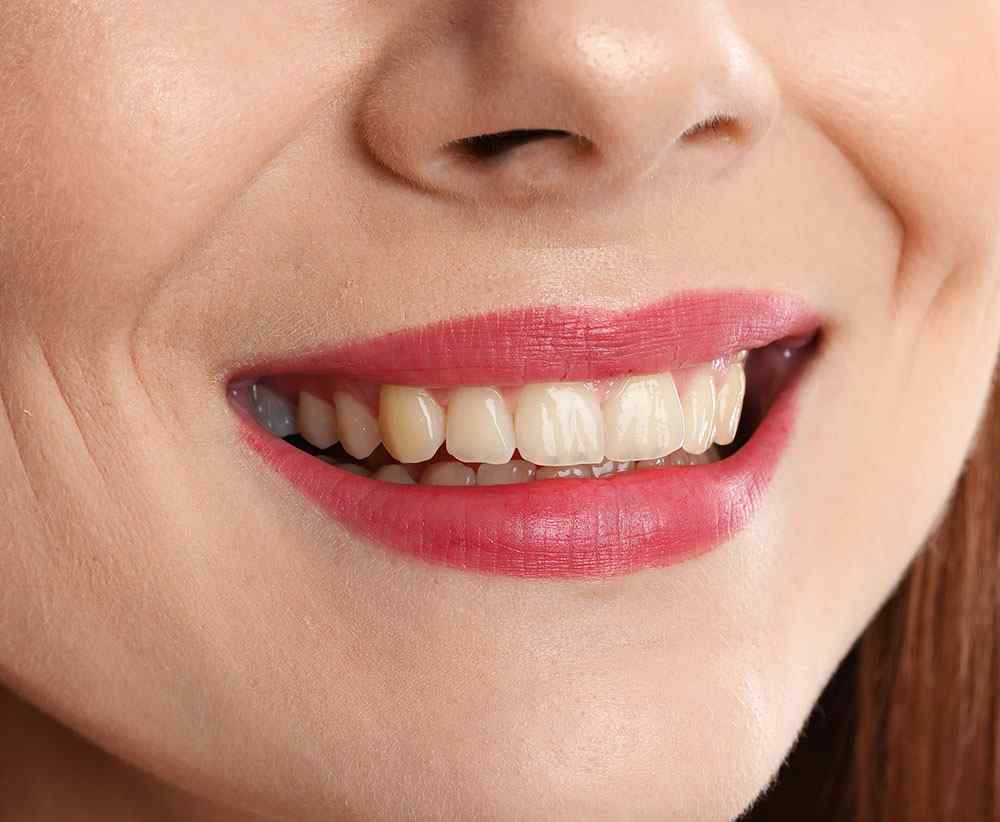

Book a consultation with our dental team to discuss your oral or maxillofacial condition and explore the appropriate treatment options.

Sana Dental Clinic in Kabul offers advanced dental services, including dental implants, CBCT 3D imaging, CAD/CAM technology, clear aligners, cosmetic dentistry, and modern digital dentistry for healthy and beautiful smiles.
© 2026 Sana Dental Clinic. All Rights Reserved.