Saturday to Thursday9AM - 6PM
Opposite the Main Entrance of the Emergency Hospital, Shahr-e Naw, Kabul, Afghanistan.
Dental implants are a modern option for replacing missing teeth. An implant acts as an artificial tooth root and can support a dental crown, bridge, or selected implant-supported prosthetic restoration.
Losing a tooth can affect more than appearance. Missing teeth may influence chewing, speech, the position of neighboring teeth, and the overall balance of the bite. Replacing the missing tooth can therefore be an important part of restoring both function and appearance.
Dental implants may be used to replace a single missing tooth, several missing teeth, or, in selected cases, to provide support for a larger dental prosthesis.
Successful implant treatment requires more than simply placing an implant. The condition of the gums, available bone, neighboring teeth, bite, and the planned final restoration all need to be considered during treatment planning.
When bone volume is insufficient, additional procedures such as bone augmentation may sometimes be considered before or during implant treatment.
Restore Your Missing Teeth | Natural-looking tooth replacement designed for lasting function.
Dental implants may be considered for:
Not every patient is automatically a suitable candidate for implants. A comprehensive assessment is necessary to evaluate bone condition, gum health, oral hygiene, existing teeth, and other factors that may influence treatment.
The treatment begins with a comprehensive examination and treatment plan. The dentist evaluates the proposed implant area, surrounding teeth, gums, and available bone.
Dental X-rays or CBCT imaging may be used when appropriate to obtain additional information about bone dimensions and important anatomical structures.
If the conditions are suitable, the implant is surgically placed into the jawbone. A healing period then allows the implant to integrate with the surrounding bone.
After appropriate healing, the restorative phase begins. A customized crown, bridge, or implant-supported prosthesis is fabricated and fitted according to the patient’s needs.
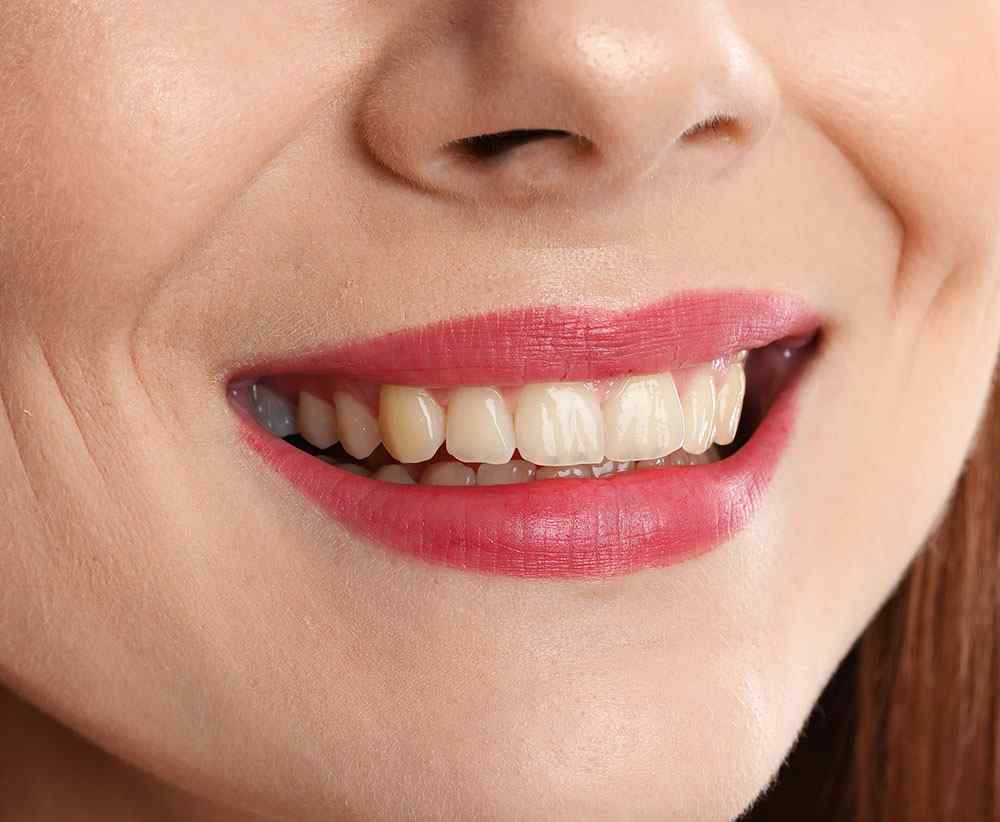
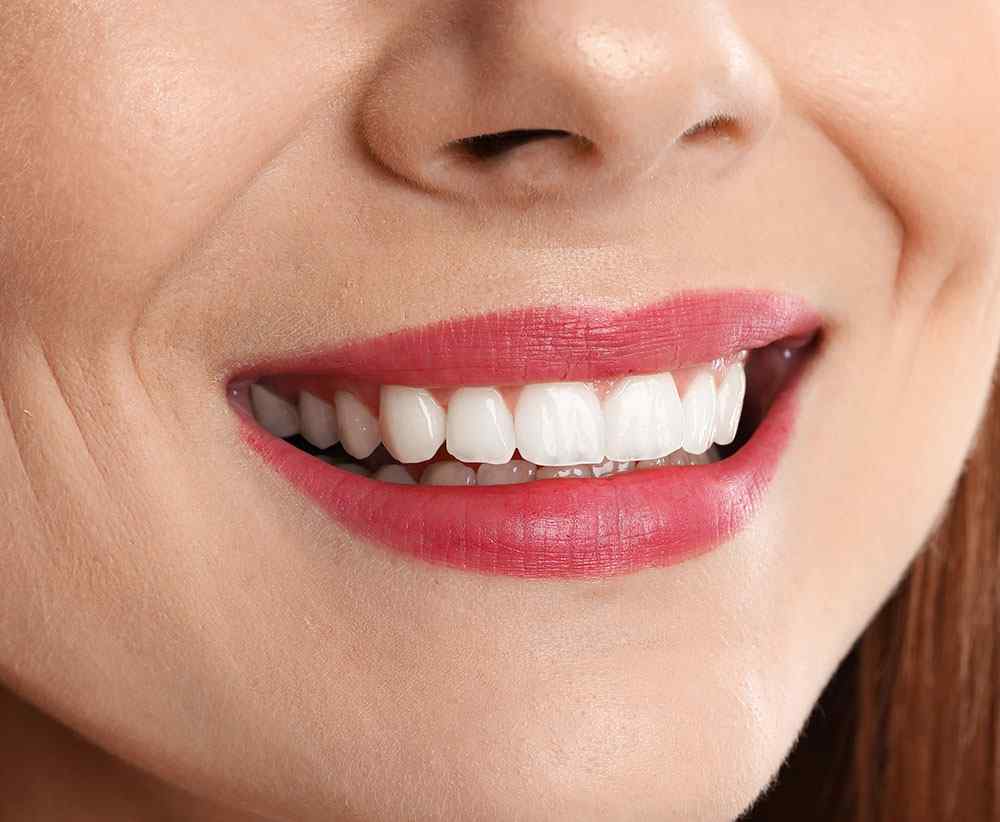
Long-term implant care includes good oral hygiene, professional examinations, and regular maintenance of both the implant and the surrounding tissues.
For patients considering dental implants in Kabul, an individualized assessment is essential before deciding whether implant treatment is the right option.
Book an appointment to assess your missing teeth, bone condition, and suitability for dental implant treatment.

Sana Dental Clinic in Kabul offers advanced dental services, including dental implants, CBCT 3D imaging, CAD/CAM technology, clear aligners, cosmetic dentistry, and modern digital dentistry for healthy and beautiful smiles.
© 2026 Sana Dental Clinic. All Rights Reserved.