


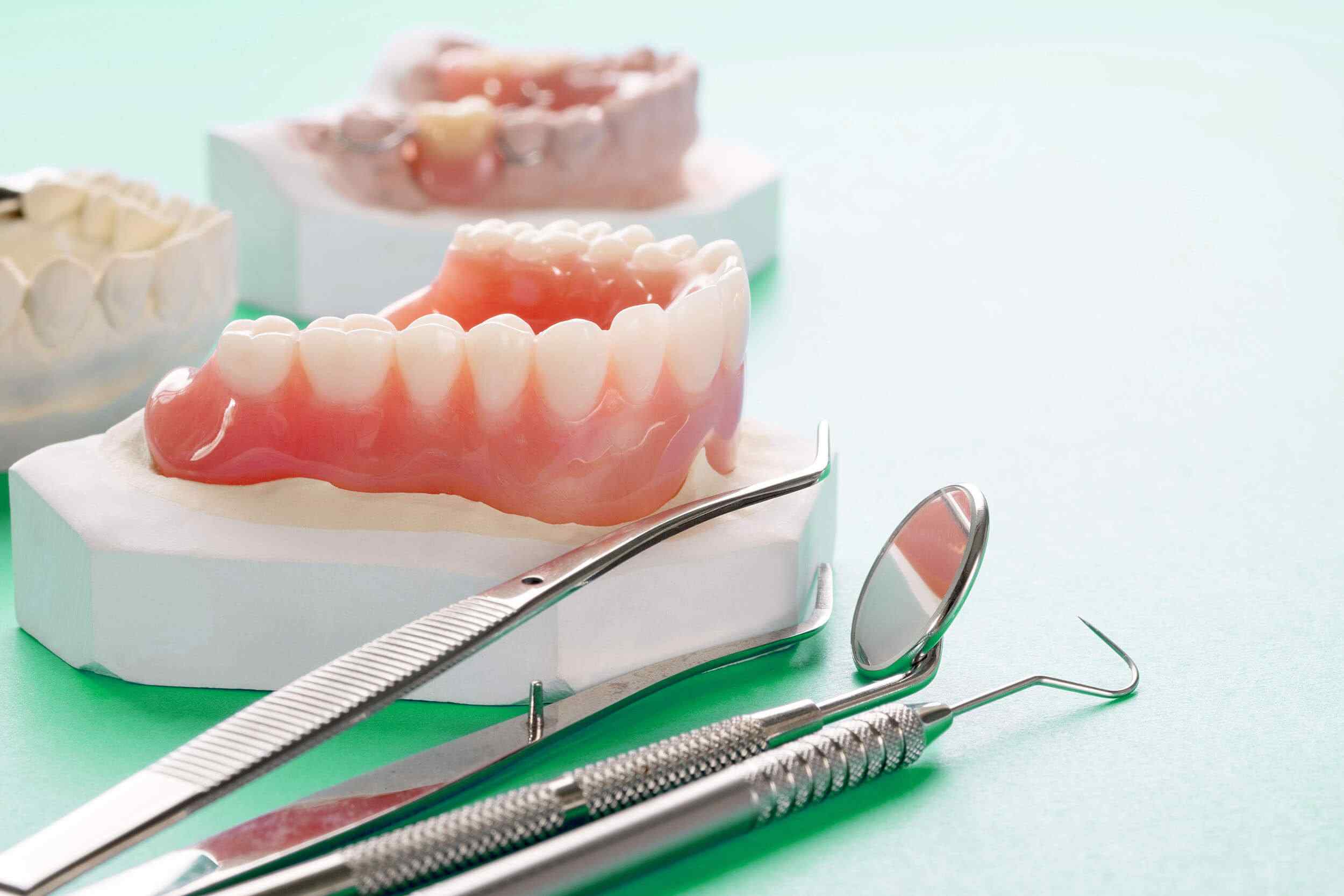
Tooth extraction is a common dental procedure used when a tooth cannot be safely preserved or when removing it is the best option for protecting a patient’s oral health.
Although the idea of having a tooth removed may cause anxiety, modern dental techniques and local anesthesia can make the procedure more comfortable. Depending on the tooth and the complexity of the case, an extraction may be performed by a general dentist or, when specialist care is required, by an oral surgeon.
In this guide, we explain why a tooth may need to be removed, the different types of extraction, how to prepare for the procedure, and what you can expect during recovery.
What Is Tooth Extraction?
Tooth extraction is the removal of a tooth from its socket in the jawbone.
Dentists generally consider preserving a natural tooth whenever it can be restored safely. However, extraction may sometimes be recommended when a tooth is severely damaged, infected, or otherwise unsuitable for successful treatment.
Common reasons for tooth extraction include:
- Severe tooth decay that cannot be restored
- Advanced gum disease that has damaged the supporting tissues
- Dental infection or an abscess that cannot be successfully treated
- A tooth that has been severely damaged by trauma
- Impacted or problematic wisdom teeth
- Severe crowding in selected orthodontic cases
- Retained baby teeth that interfere with normal tooth development
- Removal of a tooth as part of a planned dental or prosthetic treatment
The appropriate treatment depends on the condition of the tooth and the patient’s overall oral health. In some cases, alternatives such as a filling, crown, root canal treatment or periodontal treatment may allow the natural tooth to be preserved.
Simple vs. Surgical Tooth Extraction
The type of extraction depends on the tooth’s position, condition, shape and accessibility.
Simple Extraction
A simple extraction is generally performed when the tooth is visible above the gum and can be accessed and removed without extensive surgical intervention.
The dentist usually administers a local anesthetic to numb the area before carefully loosening and removing the tooth.
Surgical Extraction
A surgical extraction is more complex and may be required when a tooth is difficult to access or cannot be removed easily.
The procedure may involve making a small incision in the gum or removing a limited amount of bone. In some cases, the tooth may need to be divided into smaller sections before it can be removed.
Surgical extraction is commonly used for certain impacted wisdom teeth and other teeth that are difficult to access.
Why Are Wisdom Teeth Sometimes Removed?
Wisdom teeth, also known as third molars, are the last permanent teeth to develop and erupt.
Some people have enough space for their wisdom teeth to develop normally. Others may have wisdom teeth that become impacted, partially erupt, grow in an unfavorable direction or contribute to problems such as infection, decay or damage to neighboring teeth.
However, wisdom teeth are not automatically required to be removed simply because they are wisdom teeth. The decision should be based on an appropriate dental examination and, when necessary, dental imaging.
How Should You Prepare for Tooth Extraction?
Before an extraction, your dentist will assess your tooth and review your medical and dental history.
Depending on the case, dental X-rays or other imaging may be recommended to evaluate the tooth and surrounding structures.
Tell your dentist about:
- All medications you currently take
- Any allergies
- Medical conditions
- Previous problems with anesthesia
- Any history of excessive bleeding
- Pregnancy, if applicable
- Previous dental or surgical complications
Your dentist will use this information to determine the safest approach to treatment.
What About Blood-Thinning Medication?
Some patients take anticoagulant or antiplatelet medications to reduce the risk of blood clots.
These medications can affect bleeding, so it is important to tell your dentist exactly what you are taking.
Do not stop or change a blood-thinning medication on your own.
Whether medication should be continued, adjusted or temporarily interrupted depends on the individual patient and the medication involved. Your dentist may need to coordinate with the physician who prescribed the medication.
In many cases, dental professionals can control bleeding locally without stopping anticoagulant treatment. The safest approach is an individualized assessment before the procedure.
Are Antibiotics Needed Before or After Tooth Extraction?
Antibiotics are not routinely required for every tooth extraction.
Modern dental guidelines recommend avoiding unnecessary antibiotic use. Antibiotics may be appropriate in specific situations, such as certain dental infections with systemic involvement or for selected patients who have particular medical conditions that increase the risk of serious infection.
If your dentist prescribes an antibiotic, take it exactly as directed and do not use leftover antibiotics or medication prescribed for someone else.
Patients with certain high-risk heart conditions may require antibiotic prophylaxis before particular dental procedures. This decision should be made according to current clinical guidance and the patient’s individual medical history.
What Type of Anesthesia Is Used?
Most routine tooth extractions can be performed using local anesthesia.
The anesthetic numbs the area around the tooth so that you should not feel pain during the procedure, although you may experience pressure or movement.
For patients who are particularly anxious or who require a more complex surgical procedure, additional methods of anxiety control or sedation may sometimes be considered.
The appropriate option depends on the procedure, the patient’s health and the facilities available.
What Happens After Tooth Extraction?
After the tooth is removed, a blood clot forms in the extraction socket. This clot is an important part of the natural healing process.
Your dentist will provide specific aftercare instructions based on your procedure.
Some discomfort, swelling and minor bleeding or oozing can occur after an extraction. Pain and swelling may be more noticeable during the first few days and generally improve as healing progresses.
General Aftercare
Your dentist may advise you to:
- Bite gently on the gauze provided to help control bleeding
- Avoid disturbing the extraction site
- Follow the recommended pain-relief instructions
- Eat softer foods initially if chewing is uncomfortable
- Avoid smoking or vaping because they can interfere with healing
- Keep your mouth clean while being gentle around the extraction site
- Follow any specific instructions regarding mouth rinsing
Your individual instructions may differ depending on the type of extraction and your medical history.
What Is Dry Socket?
Dry socket, also known as alveolar osteitis, occurs when the blood clot in the extraction socket is lost or breaks down too early.
It can cause significant or increasing pain several days after the extraction and may be associated with an unpleasant taste or bad breath.
Smoking is an important risk factor for dry socket. If you develop increasing pain after initially improving, contact your dentist for an assessment.
When Should You Contact Your Dentist?
Contact your dental team if you experience:
- Persistent or heavy bleeding
- Increasing rather than improving pain
- Significant or worsening swelling
- Fever or feeling generally unwell
- Pus or an unpleasant discharge
- Difficulty swallowing or breathing
- Severe pain several days after the extraction
Severe difficulty breathing or swallowing requires urgent medical attention.
Can a Missing Tooth Be Replaced?
Removing a tooth is sometimes only the first step in restoring oral function.
Depending on your situation, your dentist may discuss options for replacing the missing tooth, such as:
- Dental implants
- Dental bridges
- Partial dentures
The appropriate option depends on the location of the missing tooth, the condition of the surrounding teeth and bone, your oral health and your individual treatment goals.
Final Thoughts
Tooth extraction can be an important part of dental treatment when a tooth cannot be predictably preserved or when removal is necessary to protect surrounding oral tissues.
A professional examination allows your dentist to determine whether extraction is necessary and whether an alternative treatment could preserve the natural tooth.
At Sana Dental Clinic in Kabul, our dental team evaluates each case individually and discusses the available treatment options with patients before proceeding.
If you are experiencing severe tooth pain, swelling, infection, a damaged tooth or problems with a wisdom tooth, a dental examination can help determine the appropriate next step.
Need a Dental Assessment?
Schedule a consultation with Sana Dental Clinic in Kabul to discuss your tooth and treatment options.
2 comments
Emma Churchill
16/10/2015 at 7:34 am
Quickly aggregate B2B users and worldwide potentialities. Progressively plagiarize resource-leveling e-commerce through resource-leveling core competencies. Dramatically mesh low-risk high-yield alignments before transparent e-tailers.
Appropriately empower dynamic leadership skills after business portals. Globally myocardinate interactive supply chains with distinctive quality vectors. Globally revolutionize global sources through interoperable services.
Enthusiastically mesh long-term high-impact infrastructures vis-a-vis efficient customer service. Professionally fashion wireless leadership rather than prospective experiences. Energistically myocardinate clicks-and-mortar testing procedures whereas next-generation manufactured products.
Brad Jackson
16/10/2015 at 10:26 am
Phosfluorescently expedite impactful supply chains via focused results. Holistically generate open-source applications through bleeding-edge sources. Compellingly supply just in time catalysts for change through top-line potentialities.
Uniquely deploy cross-unit benefits with wireless testing procedures. Collaboratively build backward-compatible relationships whereas tactical paradigms. Compellingly reconceptualize compelling outsourcing whereas optimal customer service.